Best Packaging Boxes for E-Commerce, Food and Garment Businesses

Best Packaging Boxes for E-Commerce, Food and Garment Businesses

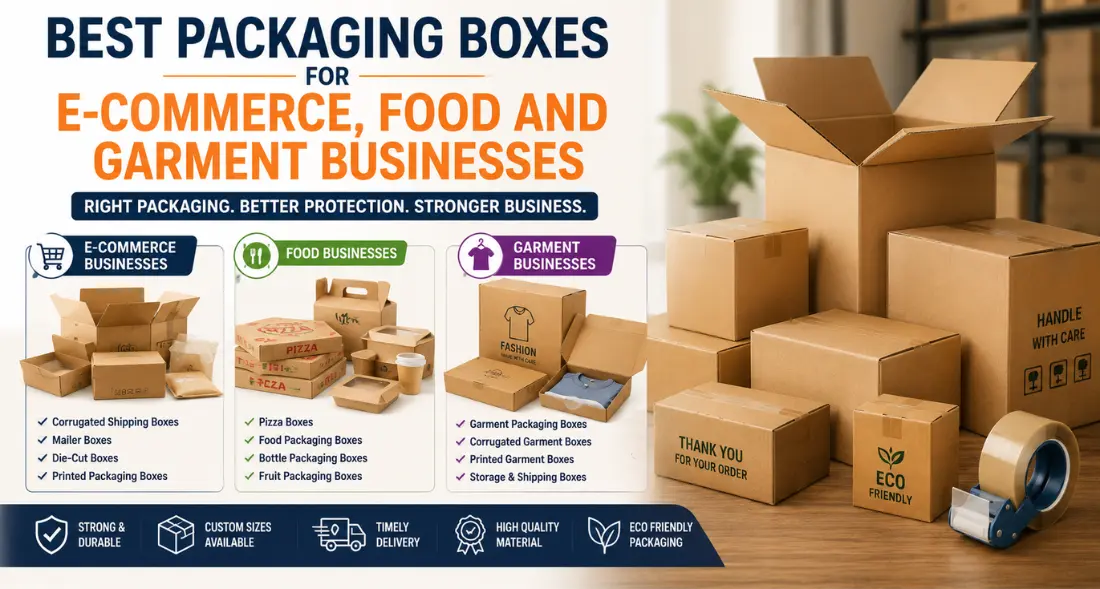
Packaging requirements are different for every business. An e-commerce seller needs packaging that can handle courier movement and customer delivery. A food business needs packaging suitable for food products and everyday handling. A garment business may prioritize neat presentation, easy storage, and protection from dust and handling.

That is why there is no single best packaging box for every business. The right choice depends on the product, how it is handled, where it is going, and what the business expects from its packaging.

This guide explains how e-commerce, food, and garment businesses can choose suitable packaging boxes, what factors matter most, and which packaging considerations can help improve product protection, packing efficiency, and customer experience.

Why Packaging Needs Differ by Business

Two businesses may sell completely different products even when they use similar-looking boxes.

An e-commerce seller may need packaging for frequent dispatches, while a food business may need packaging designed around food products and delivery. A garment seller may need boxes that keep clothing organized and presentable during storage and transportation.

The right packaging decision should consider:

  • Product size and shape
  • Product weight
  • Fragility
  • Handling conditions
  • Storage requirements
  • Transportation method
  • Packing speed
  • Order quantity
  • Branding requirements
  • Required protection

Understanding these differences is the first step toward selecting a suitable business packaging solution.

Best Packaging Boxes for E-Commerce Businesses - India Packaging

Best Packaging Boxes for E-Commerce Businesses

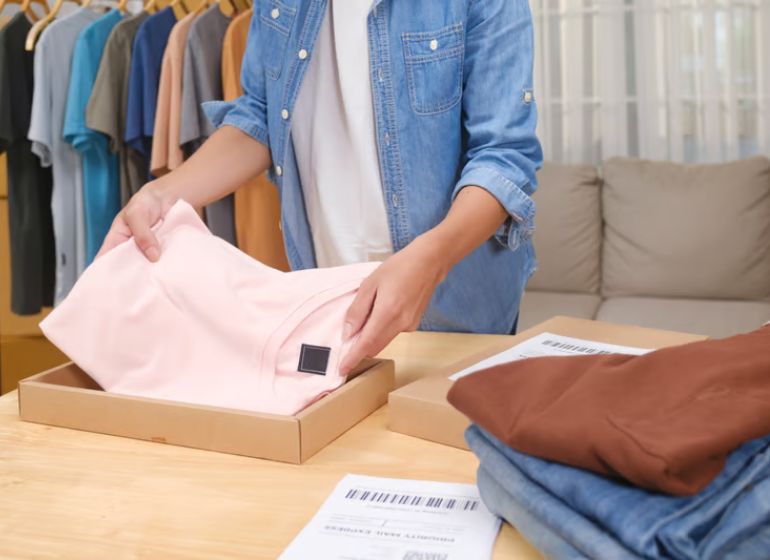
E-commerce packaging has a unique challenge: the product may pass through several handling stages before reaching the customer.

The package can move through packing areas, warehouses, courier hubs, transport vehicles, and last-mile delivery. Because of this, e-commerce businesses should focus on practical packaging that combines product protection, efficient packing, manageable size, and presentation.

1. Corrugated Shipping Boxes

Corrugated shipping boxes are a practical option for many online businesses because they can be produced in different sizes and board structures.

They are suitable for products such as:

  • Home products
  • Accessories
  • Consumer goods
  • Electronics
  • Apparel
  • Household products
  • Retail items

The box should be selected according to the product’s weight, dimensions, and expected handling conditions.

2. Mailer Boxes

Mailer boxes are useful for businesses that want a convenient box format for direct-to-customer deliveries.

They can be particularly suitable when:

  • The product needs a neat presentation
  • Fast packing is important
  • The business sells directly online
  • Branding is part of the customer experience

A mailer box can combine practical shipping functionality with a cleaner presentation.

3. Die-Cut Boxes

Die-cut packaging can be useful for products that need a specific shape, closer fit, or easier opening structure.

For e-commerce brands, customized die-cut packaging can help when standard box formats leave too much unused space or do not provide the desired product fit.

4. Printed E-Commerce Packaging

For brands that want their packaging to communicate their identity, printed packaging boxes can include logos, brand elements, product information, or other visual details.

The key is to balance appearance with function. A visually attractive box still needs to perform well during packing and shipping.

What should e-commerce businesses consider?

Before selecting an e-commerce packaging box, ask:

  • Is the box easy to pack and seal?
  • Does the product move too much inside?
  • Is the size practical for shipping?
  • Can the box handle normal courier handling?
  • Does the packaging support the brand experience?
  • Can the packaging be reordered consistently?
Best Packaging Boxes for Food Businesses - India Packaging

Best Packaging Boxes for Food Businesses

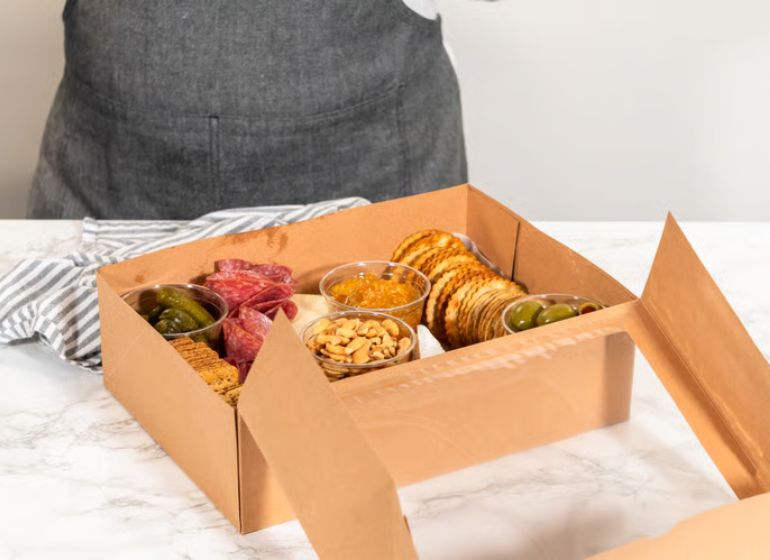
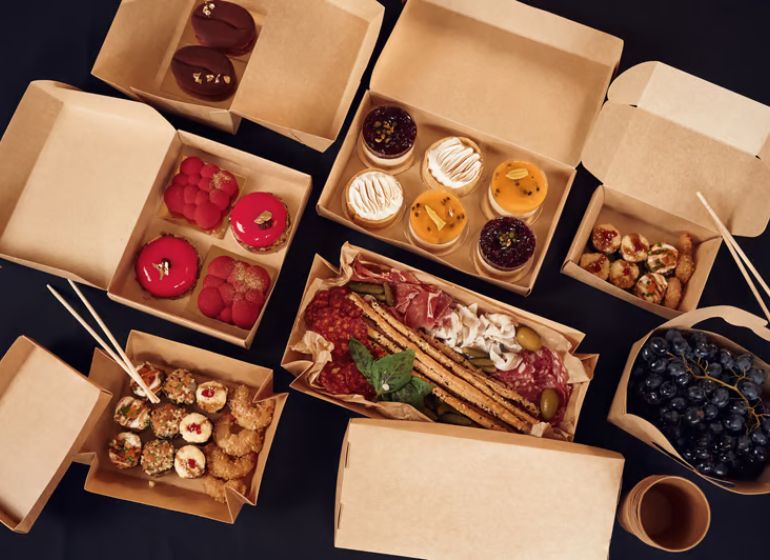
Food packaging has a different priority: the packaging must be appropriate for the product and its intended handling and delivery process.

Food businesses can have very different requirements depending on whether they sell pizzas, meals, fruits, beverages, bakery items, or other food products.

1. Pizza Boxes

Pizza boxes are designed specifically around pizza packaging and takeaway or delivery requirements.

A suitable pizza box should provide:

  • Appropriate dimensions
  • Practical opening and closing
  • Suitable food-grade material
  • Easy handling
  • Sufficient rigidity for delivery

For restaurants and food delivery businesses, box size should correspond to the pizza size rather than relying on a one-size-fits-all approach.

2. Food Packaging Boxes

Food packaging boxes can be used for meals, takeaway products, snacks, and other food-related applications.

Businesses should consider:

  • Product quantity
  • Food type
  • Serving format
  • Handling
  • Delivery conditions
  • Required box dimensions

For food packaging, the material and intended application should always be considered carefully rather than selecting packaging solely based on appearance.

3. Bottle Packaging Boxes

Bottle packaging requires a different approach because bottles can be heavier, individually shaped, and more vulnerable to impact.

Bottle boxes may incorporate suitable internal positioning or partitions depending on the application.

This type of packaging can be useful for:

  • Beverage products
  • Bottled food products
  • Gift packaging
  • Specialty product packaging

4. Fruit Packaging Boxes

Fruit packaging needs to account for product sensitivity, weight, ventilation, and transportation.

For products such as mangoes, pomegranates, and other fruits, packaging should be selected based on the product and the handling environment.

What should food businesses consider?

Before selecting food packaging boxes, consider:

  • Is the packaging suitable for the intended food application?
  • Is the box size appropriate?
  • How will the food be transported?
  • Does the packaging need ventilation?
  • Is the packaging easy for staff to pack?
  • Does the box need printing or branding?
Best Packaging Boxes for Garment Businesses - India Packaging

Best Packaging Boxes for Garment Businesses

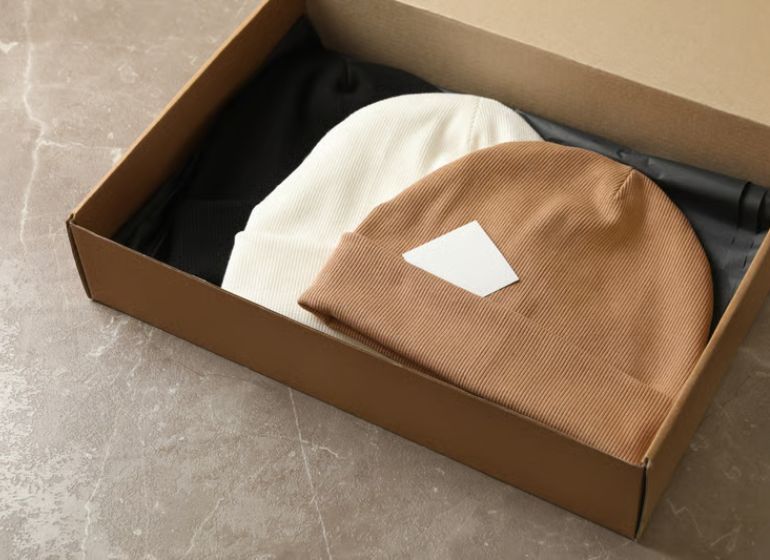
Garment packaging is different because clothing is generally lightweight, but presentation, cleanliness, storage, and organization can be important.

Packaging for garments should help businesses:

  • Keep clothing organized
  • Protect products during storage
  • Support safe transportation
  • Maintain presentable packaging
  • Simplify packing operations

1. Garment Packaging Boxes

Garment packaging boxes can be useful for apparel manufacturers, retailers, wholesalers, and online clothing businesses.

The right size should provide enough room for the folded clothing without unnecessary empty space.

2. Corrugated Garment Boxes

Corrugated packaging can offer a practical solution for businesses that regularly ship clothing or textiles.

These boxes can be considered for:

  • Apparel dispatch
  • Wholesale garment supply
  • E-commerce clothing orders
  • Textile storage
  • Retail transportation

3. Printed Garment Packaging

For fashion and apparel brands, packaging can also become part of the presentation.

Printed packaging can help create a more recognizable experience while still serving the practical purpose of protecting and transporting garments.

4. Storage-Oriented Boxes

Businesses that store large quantities of clothing may also consider packaging designed around stacking, organization, and easy handling.

For these applications, box dimensions and structural suitability can be especially important.

What should garment businesses consider?

Ask:

  • Will the box protect garments from handling and storage conditions?
  • Is the size appropriate for folded apparel?
  • Can boxes be stacked efficiently?
  • Is branding required?
  • Will the same packaging be used for both storage and shipping?

E-Commerce vs Food vs Garment Packaging

A useful way to understand packaging is to compare the main priorities of each industry.

Business TypeMain Packaging PrioritiesCommon Packaging Considerations
E-CommerceShipping, protection, presentationCorrugated boxes, mailer boxes, die-cut boxes
FoodProduct suitability, handling, deliveryPizza boxes, food boxes, bottle boxes
GarmentsProtection, storage, presentationGarment boxes, corrugated boxes, printed packaging

The table shows why choosing packaging based only on industry name is not enough. Product characteristics and actual business operations still need to be considered.

How to Choose the Right Packaging Box for Your Business

Once the business type is identified, selection should move to the actual product.

Product Size

The box should be large enough for the product and any required internal protection without creating unnecessary empty space.

Product Weight

Heavier products may require a different board structure from lightweight products.

Handling Conditions

Think about whether the package will be moved manually, transported by courier, stacked in a warehouse, or shipped over long distances.

Product Protection

Fragile or sensitive products may need additional internal support, partitions, or protective materials.

Packing Speed

For businesses handling hundreds or thousands of orders, packaging that is easy and quick to assemble can improve daily operations.

Branding

Printed packaging can be considered when the business wants the box to communicate brand identity or product information.

Order Volume

Packaging should also be available in quantities that match the company’s purchasing and storage capabilities.

Should You Choose Standard or Custom Packaging?

Standard packaging is often practical when products fit common dimensions and the business does not require specialized features.

Custom packaging becomes more useful when:

  • The product has unusual dimensions
  • A specific box style is required
  • Internal partitions are needed
  • Branding is important
  • Standard boxes leave excessive space
  • The business needs a special opening or closing design

The objective of custom packaging should be to solve a real business requirement, not simply to make the packaging different.

How Packaging Can Improve the Customer Experience

Packaging is not only a protective layer. For many e-commerce, food, and garment businesses, it is also part of the customer interaction.

A well-selected package can make the product:

  • Easier to handle
  • Easier to open
  • Better presented
  • More organized
  • More suitable for delivery
  • More consistent with the brand

For online businesses especially, the box may be one of the first physical touchpoints a customer experiences after placing an order.

Common Packaging Mistakes Businesses Should Avoid

Choosing the Box Only by Price

The lowest unit cost does not necessarily result in the lowest overall packaging cost.

Using Excessively Large Boxes

Large boxes can create unnecessary empty space and may require more protective material.

Ignoring Product Weight

Packaging should be considered in relation to the actual load and handling conditions.

Using One Box for Every Product

Different products often need different sizes or box structures.

Ordering Without a Clear Specification

Unclear product details can lead to inconsistent packaging between orders.

Ignoring Repeat Supply

A packaging solution should be practical not only for one order but also for future procurement.

A Simple Packaging Checklist

Before ordering packaging for an e-commerce, food, or garment business, confirm:

Product

  • Product dimensions
  • Product weight
  • Product shape
  • Fragility

Packaging

  • Box type
  • Box dimensions
  • Board structure
  • Printing
  • Internal protection

Operations

  • Order quantity
  • Storage space
  • Packing method
  • Reorder frequency

Shipping

  • Delivery method
  • Transportation distance
  • Handling requirements

This simple checklist can help businesses avoid unnecessary packaging changes later.

When Should You Contact a Packaging Manufacturer?

Businesses should consider discussing requirements with a packaging box manufacturer when they need:

  • Multiple box sizes
  • Regular packaging supply
  • Custom dimensions
  • Printed boxes
  • Specialized food packaging
  • E-commerce shipping packaging
  • Garment packaging
  • Industrial packaging
  • Die-cut or self-locking designs

Providing complete information about the product usually makes the packaging discussion much more productive.

Packaging Solutions for E-Commerce, Food and Garment Businesses

India Packaging is a Mumbai-based packaging box manufacturer established in 2017, offering packaging products for a variety of commercial and business requirements.

Its product range includes corrugated boxes, carton boxes, mailer boxes, pizza boxes, garment boxes, die-cut boxes, printed packaging boxes, paper boxes, industrial packaging boxes, and other packaging products.

The company focuses on understanding customer requirements while providing quality packaging products, timely order completion, transparent business dealings, qualified professionals, and competitive pricing.

Businesses can discuss their product type, packaging application, dimensions, quantity, printing requirements, and other specifications to identify a suitable packaging solution.

img not found
img not found
img not found

Your Questions Answered

Corrugated shipping boxes, mailer boxes, and die-cut boxes can be suitable for e-commerce depending on product size, weight, shipping conditions, and presentation requirements.

The appropriate food packaging box depends on the product. Pizza boxes, food boxes, bottle packaging boxes, and fruit boxes may be suitable for different food applications.

Garment businesses can consider corrugated garment boxes, apparel packaging boxes, and printed boxes depending on product size, storage, shipping, and presentation requirements.

Custom packaging can be useful when standard sizes do not fit the product properly or when a business requires specific dimensions, printing, internal protection, or a particular opening style.

Consider the product dimensions, weight, fragility, courier handling, box size, protection requirements, and customer presentation before selecting the packaging.

Food businesses should consider the type of food, serving size, intended application, handling, delivery conditions, box dimensions, and whether the material is suitable for the intended food packaging use.

Corrugated boxes can provide practical support for storing and transporting garments while offering different sizes and structural options for business requirements.

Depending on the packaging type and manufacturing process, boxes can be produced with printing or other finishing options to support brand presentation.

Businesses can start by selecting appropriately sized boxes, avoiding excessive empty space, choosing suitable materials, and reviewing packaging requirements regularly.

Businesses can work with a packaging manufacturer or supplier that understands their products, required box formats, quantities, customization needs, and delivery requirements.

Conclusion

The best packaging box is not the same for every industry. E-commerce businesses often prioritize shipping efficiency and presentation, food businesses focus on application-specific food packaging and delivery, while garment businesses may prioritize storage, protection, and product presentation.

The right decision comes from understanding the product first and then matching the packaging to its size, weight, handling, storage, transportation, and business requirements.

For businesses looking for packaging across these applications, India Packaging provides a broad range of packaging products from its Mumbai base, with a focus on quality, timely service, transparent dealings, and customer requirements.

Leave a Comment

Your email address will not be published. Required fields are marked *